Stronger Together: How Food Banks Can Collaborate to Amplify Impact
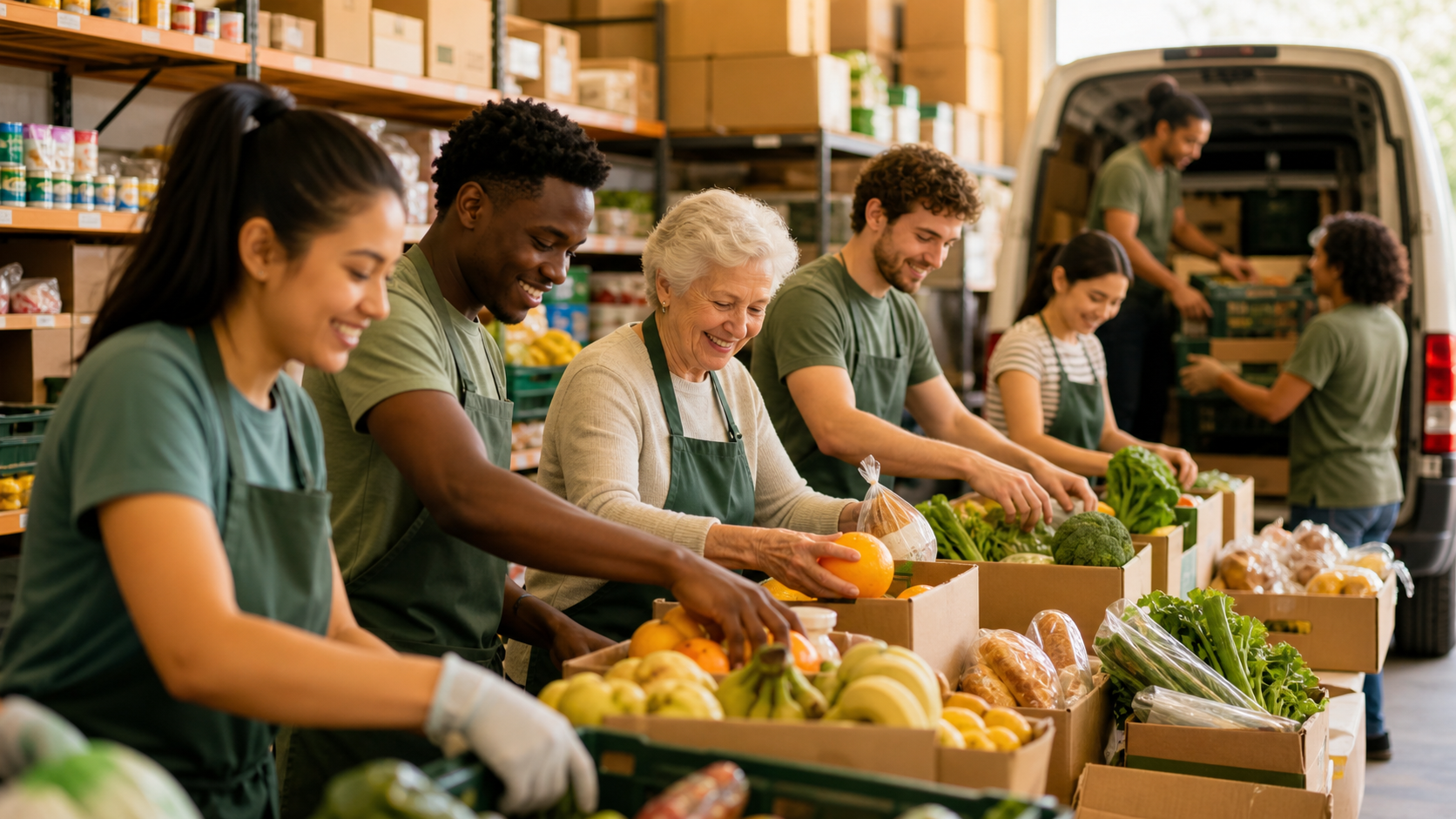
Discover how food banks can join forces through collaboration to enhance efficiency, expand reach, and better serve communities in need.
Introduction: The Power of Collaboration in Food Banking
Food insecurity remains a pressing challenge worldwide, and food banks are on the front lines, working tirelessly to provide nourishment to those in need. While each food bank operates with passion and dedication, collaboration among food banks can unlock tremendous potential to serve communities more effectively. By pooling resources, sharing knowledge, and aligning efforts, food banks can amplify their impact and create sustainable solutions.
Why Collaboration Matters
Collaboration is more than just working together—it's about creating synergy where the whole is greater than the sum of its parts. For food banks, collaboration can mean:
- Increased Efficiency: Sharing inventory and coordinating distributions minimizes waste and ensures food reaches those who need it most.
- Expanded Reach: Partnering with other organizations allows food banks to serve a wider demographic and geographic area.
- Resource Optimization: Pooling financial, human, and technological resources reduces overhead costs and maximizes impact.
- Knowledge Exchange: Sharing best practices and innovations fosters continuous improvement and problem-solving.
Effective Collaboration Models for Food Banks
1. Regional Food Bank Networks
Forming or joining regional networks enables food banks to coordinate food collection, storage, and distribution. These networks can negotiate better deals with suppliers, standardize quality controls, and create a unified voice for advocacy.
2. Partnerships with Local Organizations
Collaborating with community centers, shelters, schools, and faith-based groups helps food banks identify vulnerable populations and deliver food more directly and efficiently.
3. Shared Volunteer Programs
Developing joint volunteer recruitment and training initiatives increases volunteer engagement and ensures consistent support across multiple food banks.
4. Technology and Data Sharing
Using shared platforms to track inventory, manage volunteers, and analyze distribution data fosters transparency and enables informed decision-making.
Steps to Foster Successful Food Bank Collaboration
- Establish Common Goals: Align on mission priorities and desired outcomes to ensure everyone is moving in the same direction.
- Open Communication Channels: Create regular forums, meetings, or digital groups to share updates, challenges, and opportunities.
- Define Roles and Responsibilities: Clearly outline who does what to avoid duplication and confusion.
- Build Trust and Respect: Encourage openness, recognize contributions, and celebrate shared successes.
- Leverage Technology: Adopt user-friendly tools that facilitate collaboration, such as inventory management systems and volunteer coordination platforms.
Success Stories: Collaboration in Action
Across the globe, collaborative food bank efforts have led to inspiring outcomes. For example, a coalition of food banks in the Pacific Northwest created a shared distribution hub that reduced delivery times by 30% and cut food waste by 25%. Another network in the Midwest developed a joint volunteer training program that increased retention rates and improved service quality.
Conclusion: Embracing a Collaborative Future
Food insecurity is a complex issue that demands collective action. By embracing collaboration, food banks can transcend limitations and unlock new possibilities to nourish communities with greater reach, efficiency, and impact. Together, we are stronger, and together, we can create a future where no one goes hungry.
At Food Bank City, we are committed to supporting these collaborative efforts through innovative technology that connects food banks, streamlines operations, and empowers every hand that contributes to the mission. Let’s continue building bridges and transforming lives—one collaboration at a time.